When the flashing lights fade, the work isn’t over
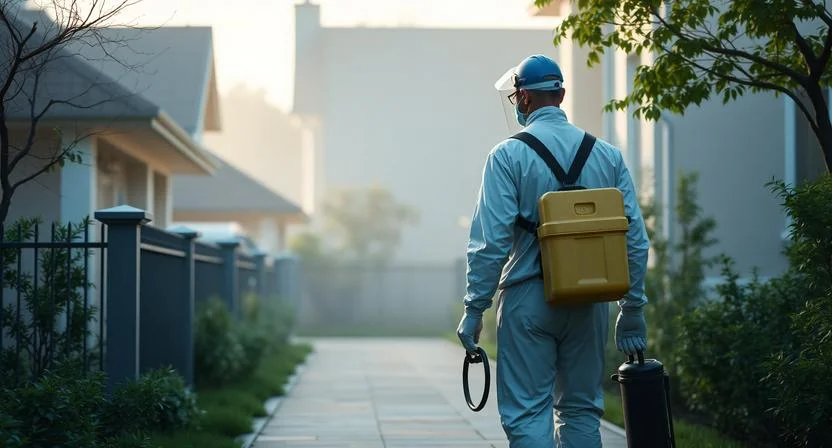
After law enforcement completes its investigation and leaves a scene, property owners often face a harsh reality: the area is no longer an active case, but it’s far from safe or livable. The physical cleanup, the part no one talks about, still needs to happen. Blood, bodily fluids, and other biohazard materials can remain long after the police are gone, posing significant health risks if not handled properly. At this moment, professional biohazard cleaners step in quietly and efficiently, taking over where the investigation ends. Their job is to make the space safe again, physically, legally, and emotionally.
Step 1: Scene Release and Transition
Once police and forensic teams have finished their work, the property is officially released back to the owner or responsible party. This step marks the transition from investigation to restoration. However, the environment often remains contaminated. Investigators may have collected evidence, moved items, or left behind chemical residues such as fingerprint powder or luminol. These materials, along with biological hazards, make the area unsafe for anyone without proper training and equipment. At this stage, cleanup can begin but only with certified professionals who understand how to handle biohazards correctly.
Step 2: Professional Cleanup Begins
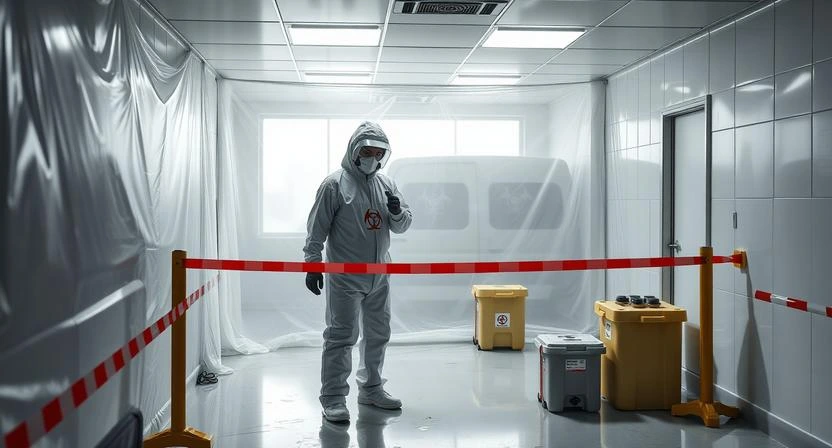
When the call for cleanup comes in, a specialized biohazard team is dispatched immediately. They arrive in unmarked vehicles to protect privacy and start work without delay. The first step is containment sealing off affected areas to prevent cross-contamination. Next comes removal, where contaminated materials (carpets, flooring, or furnishings) are safely extracted and placed into biohazard containers for licensed disposal. Using medical-grade disinfectants, technicians clean, sanitize, and deodorize all surfaces. Their focus is on restoring a safe, habitable space as quickly and discreetly as possible.
Step 3: Handling Personal Belongings with Respect
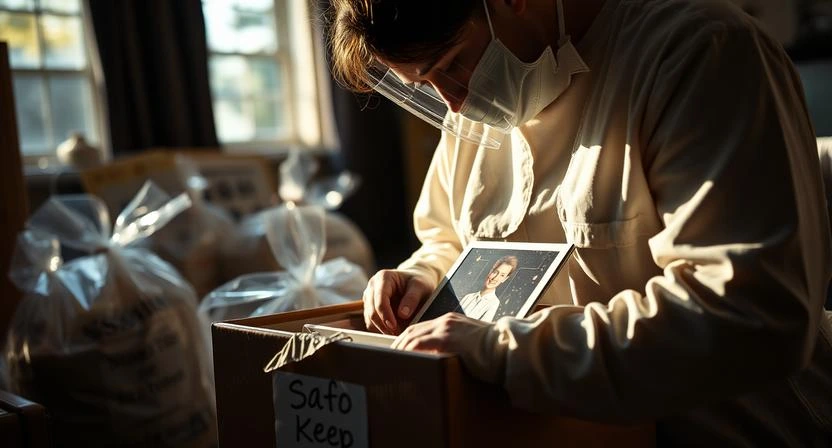
Biohazard scenes often involve personal items, furniture, photos, or valuables. Professional cleaners are trained to handle these items with care and discretion. Whenever possible, non-contaminated belongings are cleaned, preserved, and returned to the owner. Items that cannot be safely restored are documented and disposed of respectfully, following local regulations. The process is not only technical but deeply human, balancing safety with compassion for what those items represent.
Step 4: Verification and Safety Certification
Once cleaning and disinfection are complete, the team performs detailed inspections to ensure all hazards have been eliminated. Some companies use ATP testing (adenosine triphosphate) to verify that no organic material remains. A written clearance or completion certificate is often provided, confirming that the property has been professionally decontaminated and is safe for occupancy. This documentation is useful for property owners, landlords, and insurance purposes.
Step 5: Quiet Restoration and Emotional Recovery
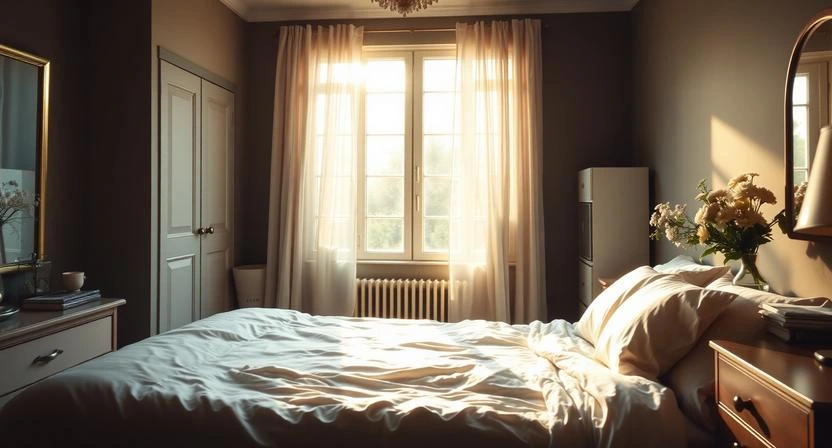
After cleanup, what’s left is more than a clean space, it’s the beginning of recovery. Professional biohazard teams understand the emotional weight of these moments. They work quietly, respect privacy, and leave no visible reminder of what occurred. For many clients, this is the first real step toward healing. A safe, restored environment provides both closure and comfort, allowing normal life to begin again.
Why Professional Cleanup Matters After the Police Leave
It’s a common misconception that the police or emergency responders handle cleanup, they don’t. Their responsibility ends once the investigation concludes. Professional biohazard cleaners fill that crucial gap. They protect health, manage compliance with disposal laws, and ensure no secondary contamination occurs. They also bring compassion and confidentiality to a process that demands both. Trying to manage the cleanup alone isn’t just overwhelming, it can expose you to serious health risks and potential legal issues. The right professionals know exactly what to do, how to do it, and how to do it with respect.
Restoring Safety and Dignity, Step by Step
After the police leave, professional cleanup marks the transition from chaos to calm. Certified technicians handle every detail, containment, sanitation, odor removal, and safe disposal, so property owners don’t have to. The process isn’t about erasing what happened. It’s about restoring safety, order, and dignity, allowing healing to take place in a clean and secure environment. When the lights fade and the scene is quiet again, that’s when the real restoration begins.
Get Help Now!
If you’ve recently experienced an incident requiring biohazard cleanup, reach out to a certified on-demand cleanup team. Fast, discreet professionals can safely restore your property and help you begin the path to recovery with peace of mind.