So You Just Discovered a Deceased Person at Home
It’s shocking. You weren’t expecting this. Your heart races, and your mind goes blank. But amidst the panic, it’s critical to follow a clear set of steps. This isn’t just about decorum—it’s about safety, legal compliance, and respect for the deceased.
Ensure Your Safety First
Before anything else, protect yourself:
- Do Not Touch: Avoid disturbing the body or the surrounding area. Evidence and pathogens can transfer easily.
- Check for Signs of Life: From a safe distance, look for breathing or movement—then step back immediately.
- Ventilate the Room: Open windows or doors if safe to do so, to reduce potential airborne hazards.
What to Do Immediately
Once you’re at a safe distance, follow these critical steps:
- Call 911: Report the situation. Provide your address and a brief description; law enforcement and paramedics will guide you.
- Follow Dispatcher Instructions: They may advise you to stay on the line, step outside, or turn off lights—listen carefully.
- Secure the Scene: Do not let anyone else enter the area until police arrive.
The Legal and Emotional Landscape

After first responders arrive, the coroner and police will take over. Here’s what happens next:
- Coroner’s Investigation: They will determine the cause and time of death.
- Notification of Next of Kin: Authorities handle this—do not attempt to contact family yourself.
- Emotional Support: Finding a body can be traumatizing. Consider calling a friend, counselor, or crisis hotline.
Why DIY Dead Body Cleanup Is Dangerous

Cleaning up after an unattended death involves more than scrubbing floors. Missteps can lead to:
- Pathogen Exposure: Bloodborne viruses (Hepatitis, HIV) and bacterial infections lurk in bodily fluids.
- Evidence Tampering: You could inadvertently destroy critical forensic evidence.
- Legal Liability: In Ontario, handling a death scene without certification can breach provincial regulations.
What Professional Cleanup Services Offer
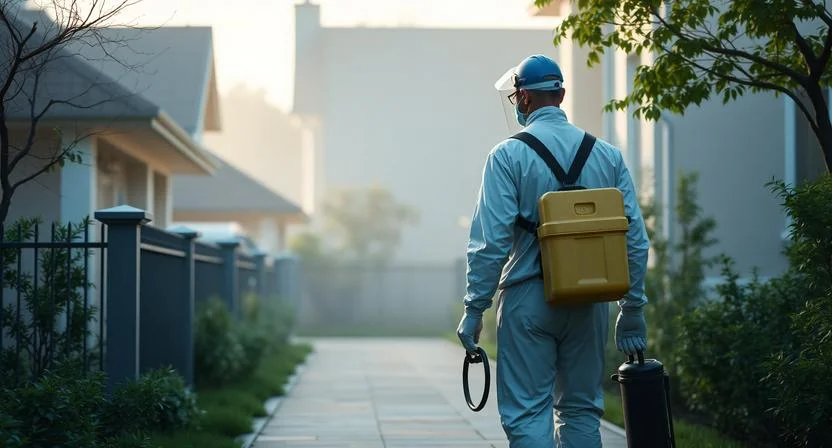
Certified death and trauma scene cleanup teams bring:
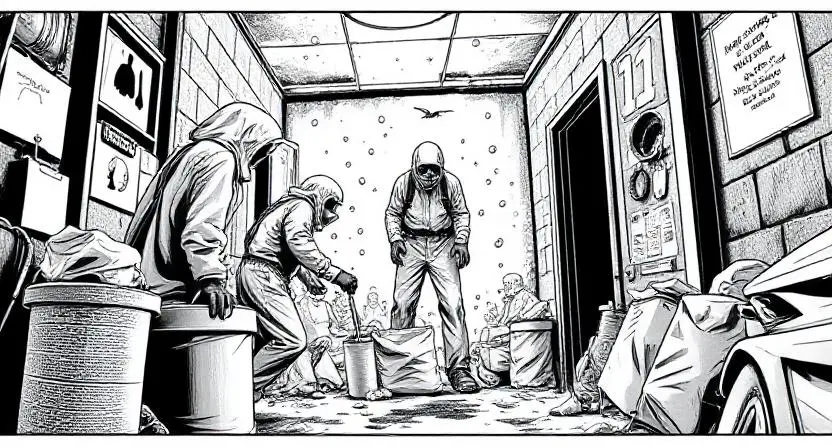
- Specialized Gear: Hazmat suits, HEPA vacuums, and industrial disinfectants.
- Forensic-Level Protocols: Ensuring all biohazards are removed while preserving any evidence chain.
- Regulatory Compliance: Proper disposal according to Ontario’s biohazard and environmental laws.
When to Call a Professional Cleanup Service
Step away and dial in the experts if you’re facing:
- Unattended Death: Any decomposed remains in a residential or commercial property.
- Crime Scene Cleanup: Police-directed decontamination after investigations.
- Trauma or Accident Scenes: Blood and tissue cleanup beyond first-aid capacity.
- Emergency Response: Rapid turnaround when time is critical, 24/7 availability.
Frequently Asked Questions
1. Is it legal to move a dead body before authorities arrive?
No. Disturbing a death scene can be a criminal offence and compromise investigations.
2. Will my insurance cover death scene cleanup?
Many homeowner policies include biohazard or trauma cleanup coverage. Check your specific plan details.
3. How long does professional remediation take?
Depends on size and contamination level—anywhere from a few hours to several days.
4. Can I stay in my home during cleanup?
For small incidents, yes. Extensive cases may require temporary relocation until all hazards are removed.
Leave It to the Experts
Discovering a body is traumatic—cleaning up is even more complex. Protect yourself, comply with the law, and ensure thorough decontamination by hiring Ontario’s certified trauma and biohazard cleanup professionals.
Get Help Now!
If you’ve found a deceased person at home, call emergency services first, then reach out to a licensed death and trauma scene cleanup company in Toronto. Your health, legal peace of mind, and the dignity of the deceased depend on it.