There is a moment after every traumatic event when the world goes silent. Not because the noise has stopped, the police radios, the hurried footsteps, the shuffling of equipment, but because the people left behind suddenly hear only the weight in their own chest. That moment is real. And it’s the moment when families, landlords, and loved ones begin to face the part no one prepares them for: what happens after everyone else leaves. This is the truth of trauma cleanup, not the details of the scene, but the human space that remains when the people who mattered are suddenly gone.
The First Thing Families Notice is the Stillness
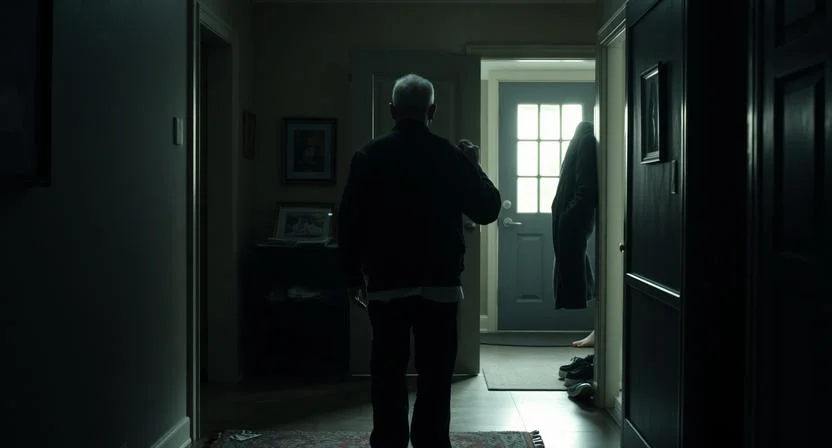
After police finish their investigation and emergency workers step out, the property becomes strangely quiet.
A parent might stand at the doorway, holding their breath without realizing it.
A spouse may grip the railing because their legs don’t feel steady.
A landlord might hesitate to step inside, not out of fear, but out of respect for whatever this room has witnessed.
No one teaches you how to walk back into a space that suddenly feels unfamiliar.
The truth is factual, simple, and heavy:
The cleanup is not about the scene, it’s about the people whose lives were interrupted by it.
Why Families Shouldn’t Enter the Room First
Even when the urge is strong to go in, to collect a piece of clothing, a photo, a last item that still carries warmth, the space can contain biohazards that aren’t visible.
Professionals explain it gently:
- Let us go first
- Let us make it safe
- You don’t need to see the things you shouldn’t see
It isn’t about shielding people from reality.
It’s about protecting them from preventable harm, physical and emotional.
Because exposure to a traumatic space can stay with a person for years.
When Cleanup Teams Arrive, They Carry More Than Equipment
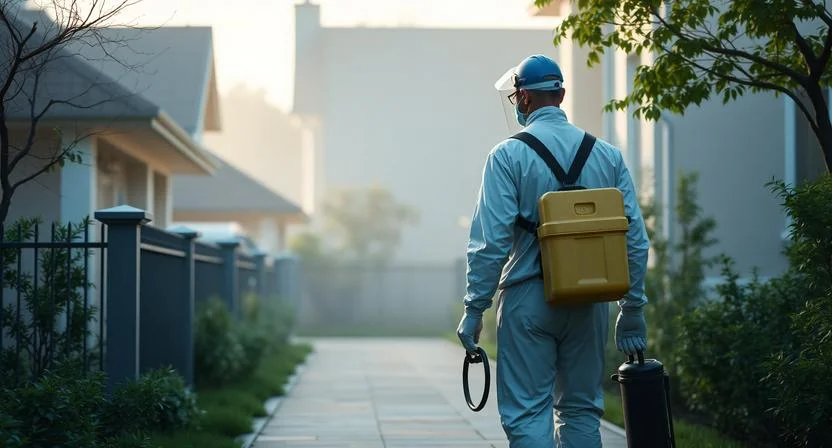
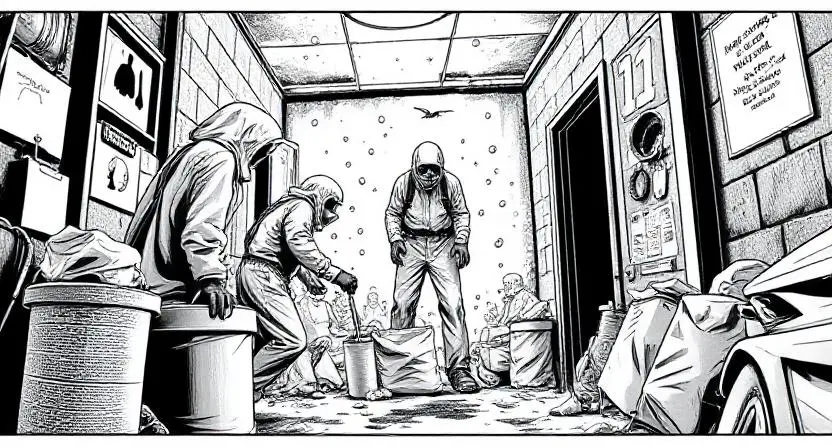
Trauma cleaners show up in protective gear, gloves, suits, respirators, but what they carry most carefully is empathy.
They do not ask invasive questions.
They do not comment on what happened.
They do not judge the people involved.
They do something simple, factual, and profoundly human:
They restore a space so the people left behind can take their next step without being confronted by the hardest parts of the moment that changed everything.
A father once said quietly while cleanup technicians worked in the next room:
“I don’t know how to be in this house without him…
but I also can’t leave it like this.”
Both truths mattered.
Cleanup isn’t just sanitation.
It’s a bridge between what was and what must come next.
The Process Itself Is Calm, Methodical, and Designed to Protect
There’s nothing dramatic about professional biohazard cleanup.
It’s steady, structured, science-driven.
- The team assesses the area.
- They identify what materials are affected.
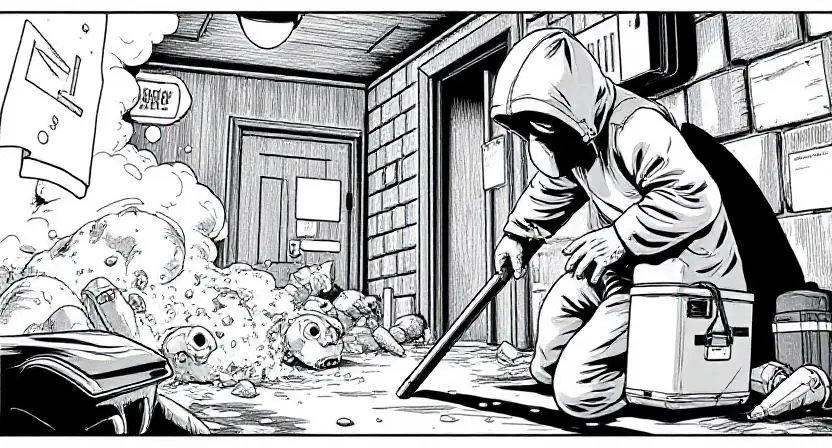
- They remove and dispose of hazardous items safely.
- They deep-clean and disinfect every surface.
- They check for hidden contamination.
- They neutralize odours at their source.
- They verify that the space is safe again.
Every step is careful.
Every movement is intentional.
Every action is guided by one goal: restoring safety without amplifying pain.
These are true, verifiable industry practices.
This is what really happens.
What Families Often Feel During Cleanup
Some feel numb. Some feel relief.
Some sit quietly in another room because they cannot bear to watch strangers touch the space where their life changed.
Some need updates every few minutes because information feels like control.
Others don’t want to know anything until it’s done.
All these responses are valid.
Cleanup teams know this. They work around it with patience and respect.
One spouse said during a cleanup:
“I know this won’t fix anything…
but at least it lets us breathe again.”
Factual.
Human.
True.
After Cleanup, the Space Feels Different, And That Matters
When the technicians finish, the room is no longer a trauma site.
There are no reminders.
No odours.
No safety risks.
No visual triggers.
It becomes, simply, a room again.
A room someone can enter without bracing themselves.
Families often step inside and stand for a long time, not because they see the past, but because they finally see a way forward.
That is the purpose of professional trauma cleanup.
Not to erase what happened, but to remove the physical weight that prevents healing from beginning.
The Truth
Biohazard cleanup is scientific.
Trauma recovery is human.
The two meet in the same room, quietly and respectfully.
And for families navigating the hardest moment of their lives, that combination,
precision + compassion, makes the difference between a space frozen in pain and a space where healing can start.